Time to Read.
Here's to another book-filled year.

Happy New Year! Here’s to a good 2026 for us all. Thanks to losing our central heating over Christmas we found ourselves reading in the evenings instead of watching TV as the TV room was too cold. Between Christmas and New Year I read Raising Hare by Chloe Dalton, that touched me deeply, and am in the middle of Helen Garner’s wonderful diaries ‘How to End a Story’ - have you read them? Just - Wow.
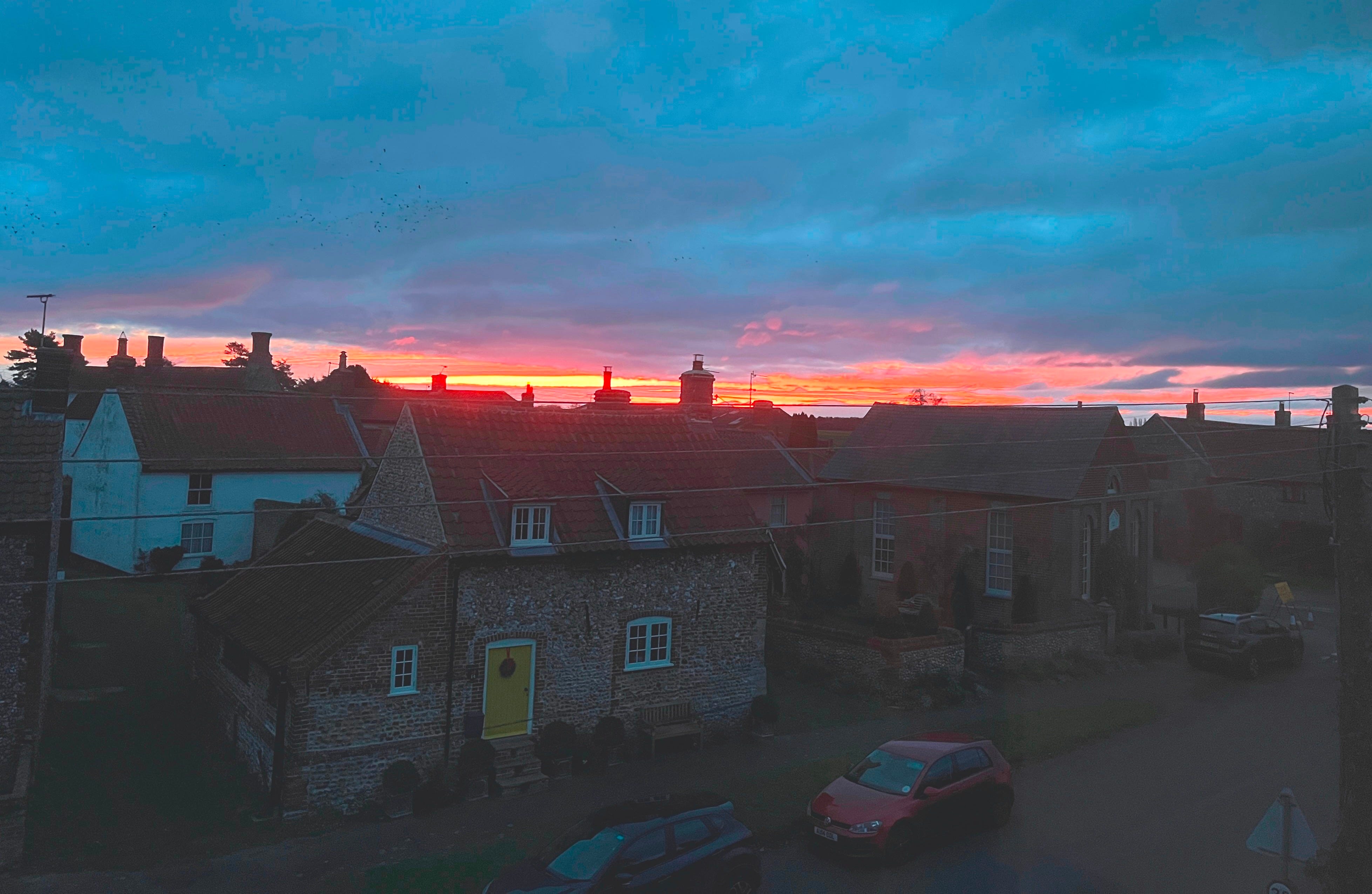
Here are some other books that have stayed with me from last year as we move into 2026. Who knows what literary treasures this year will provide?
The highlight of my writing year in 2025 was a week at Lumb Bank with Arvon taught by Christie Watson and Alexander Masters. I read Christie’s new memoir No Filters- a Mother and Teenage Daughter Love Story, that she wrote jointly with her daughter Rowan Egberongbe, and loved it. I was intrigued by the idea of a joint memoir. There is no longer a single overarching viewpoint telling the story; there is more than one voice. Christie said that now she has done this, she doesn’t think she will be able to go back. It opens the memoir genre up in mind-dizzying ways and makes it collaborative. Her book reminded me of Henry’s Demons: A Father and Son’s Journey Out of Madness by Patrick Cockburn and his son Henry - an astounding account of Henry’s mental health journey, also told by parent and child.
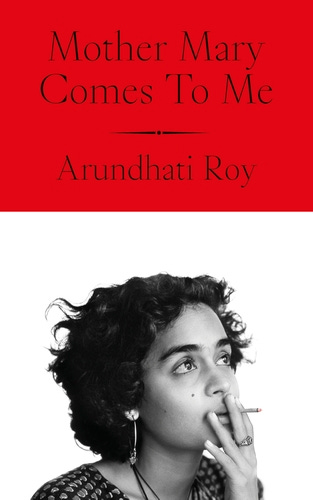
One of the exercises during the week at Lumb Bank was to establish what the main theme was in all one’s writing. A bit like one of those quizzes in magazines. I was not surprised that all roads lead to me writing about my relationship with my mother. And shortly afterwards, an incredible book for my library dedicated to that theme fell into my lap: Mother Mary Comes to Me by Arundhati Roy - a brilliant and audacious recounting of her relationship with her mother, the terrifying Mrs Roy. I felt the book dropped a way a little when it moved away from her mother, but I was right back with her again once it came to the funeral
I missed my mother this Christmas. Last Christmas I was too exhausted (in shock?) to notice. What cheered me up? Listening to Happy Go-Lucky by David Sedaris on Audible. I got the giggles in the garden, listening to it while planting bulbs. Mama loved David Sedaris and anything that made her laugh.
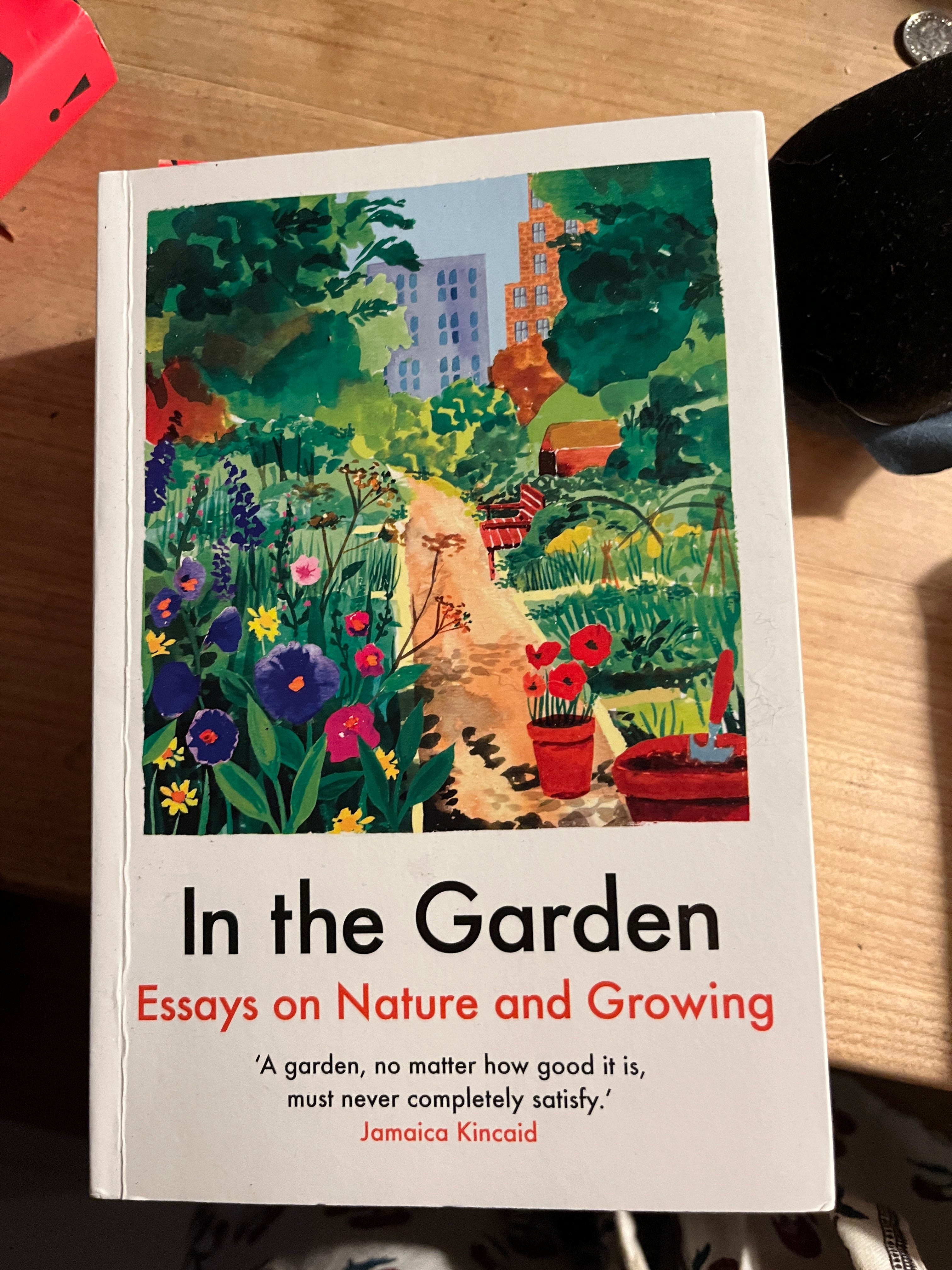
And for Christmas my sister gave me In the Garden, a book of essays on gardens and gardening by lots of different writers, published by Daunts. Last night I read a beautiful essay by Zing Tsjeng that compares her mother to a Japanese maple tree.
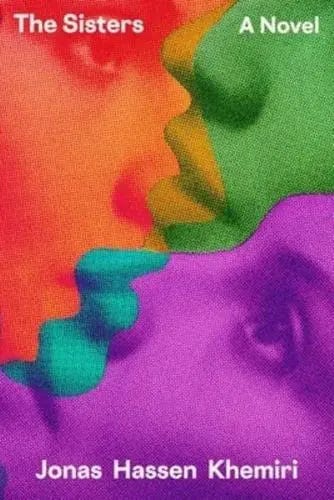
A novel that hinges on a larger than life, unhinged mother, is The Sisters by Jonas Hassen Khemiri that I read on holiday with my brother in California in December. It was a birthday present and my heart sank when I saw the size of it but Hassen Khemiri has a knack of drawing you in and keeping you reading. It is something to do with pace, and voice, and long sentences. I have given it to four people since, and now consider Hassen Khemiri a friend, so funny and sympathetic is his voice.
In preparation for California I read America Day by Day by Simone de Beauvoir and reread it on my return. De Beauvoir made the trip in 1947 and traveled all over the country including some of the places I visited. When in the great landscapes of California, recent settler history was upmost in her mind: ‘Never have I felt as strongly as I do here the childish emotion excited by the Far West’s recent past,’ she writes. I was also thrilled by the landscape, and to be driving along the roads from Thelma and Louise, but these are different times and I was more preoccupied by the fate of Native Americans than de Beauvoir was. Driving around Northern California, you cannot but think about it. Still, the book is a great read. It is insightful about the American psyche and still relevant today.
I was struck by how similar in certain ways, it is to the Russian psyche. For example the inertia when it comes to politics. De Beauvoir goes back to this point again and again and is amazed by it, especially amongst students she meets who are usually more interested in sport than politics. This inertia is more understandable in Russia, due to the present-day violent suppression of any protest or opposition. The consequences of opposition are spelled out in Political Girl by Maria Alyokhina of Pussy Riot, a detailed account by a Russian activist, of being arrested, held and imprisoned over and over again for any kind of protest. The book sometimes veers into farce, so consistently does Alyokhina manage to slip away from her captors, but overall the picture is bleak, despite the hope that it is to be found in the indefatigable nature of her activism. When asked at a Q&A that I attended, where she saw hope in the current situation, Alyokhina answered ‘in my activism’. It is in the act of opposing that a person can feel hope, not in any particular results of that action, real or imagined; those are not always tangible or immediately evident.
A more analytical preçis of the situation in Moscow and how it was arrived at, is Our Friends in Moscow by Irina Borogan and Andrei Soldatov, that I was gripped by. This is an insider’s view of the political descent into tyranny and war that has been Russia’s recent history - the story of various friend groups as they occupy different ideological positions and become estranged. As an old Moscow hand, this book was like being back in a cafe in Moscow, getting the gossip, only much more sad and ending in exile and war.
Going back in time I enjoyed the reissued short yet powerful In The Storm by Rhoda Powers (first published in 1919). Powers is English and was working as a governess in Rostov-On-Don, when the Russian Revolution and subsequent Civil War struck. A fascinating first hand account that conveys the chaos and bloodiness of the time, it is also very funny about the foibles of Powers’s young mistress. Powers doesn’t speak about her own feelings but she was clearly immensely brave - her sangfroid during her escape is extraordinary.
I also read and enjoyed Bad Friend by Tiffany Watson Smith - not enough has been written about female friendship - its mysteries and upheavals, and this is a solid contribution to the canon.
The sparkling social comedy So Good to See You by my cousin Francesca Hornak (coming out in paperback in March) cheered me immensely when times got tough last year, as did The Balkan Trilogy by Olivia Manning.
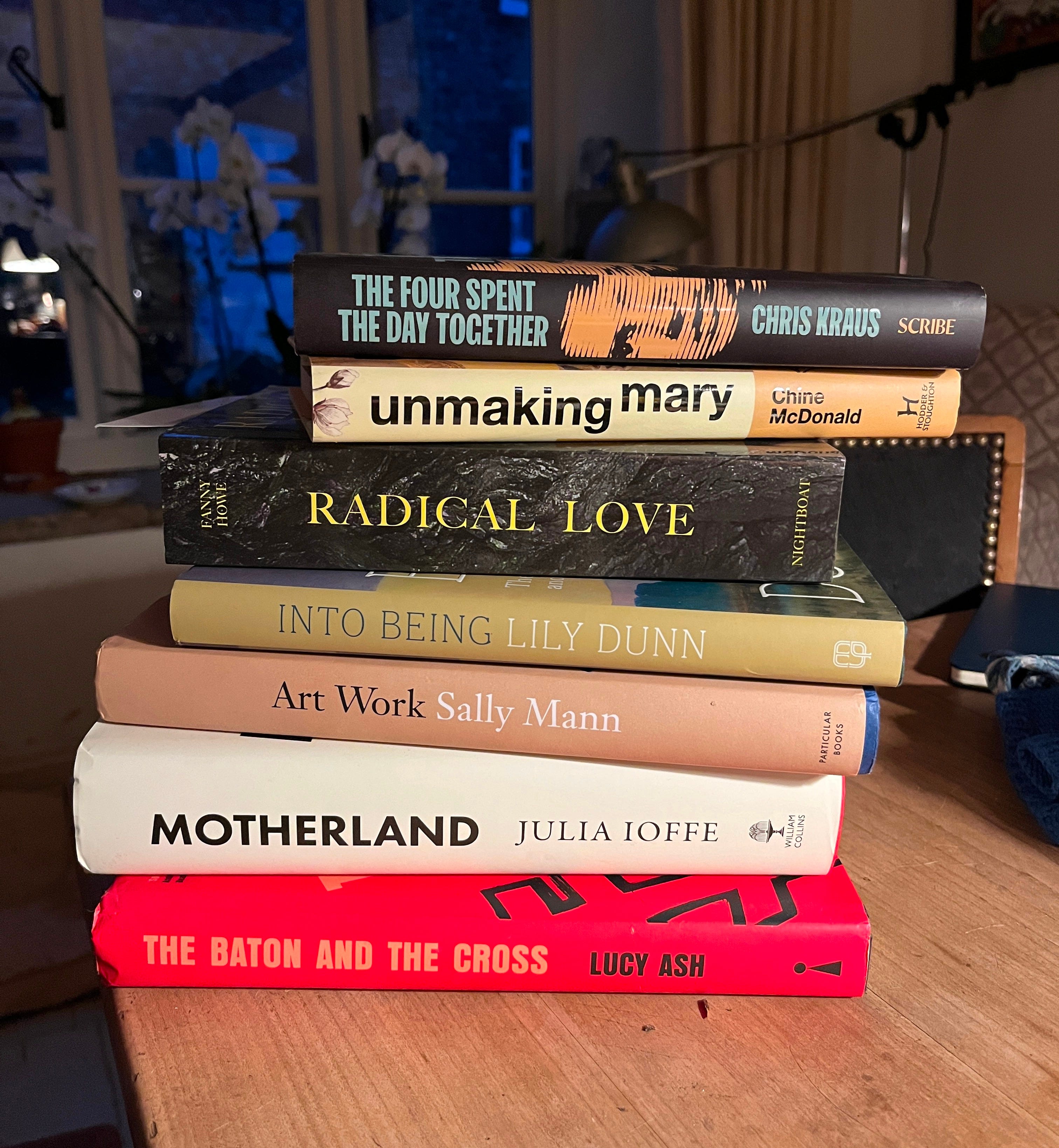
What books will find their way into our hands this year? I am hopeful. My heaving bedside table includes:
Sally Mann’s Art Work, Chris Kraus’s The Four Spent the Day Together, Unmaking Mary by Chine McDonald, Into Being by Lily Dunn, Radical Love by Fanny Howe, The Baton and the Cross by Lucy Ash, Motherland by Julia Ioffe and many others. Here’s to a fantastic year of reading for us all.
Very enjoyable essay. Happy New Year!
Thank you!! So flattered to make the cut, and thanks for not treating us to your grand total x